[ad_1]
Hundreds have been deployed to find Neukgu, a young wolf that has eluded capture for a week and counting.
[ad_2]
Source link
Category: last news
-

Howl recordings and an AI image: Inside South Korea's long hunt for an escaped wolf
-
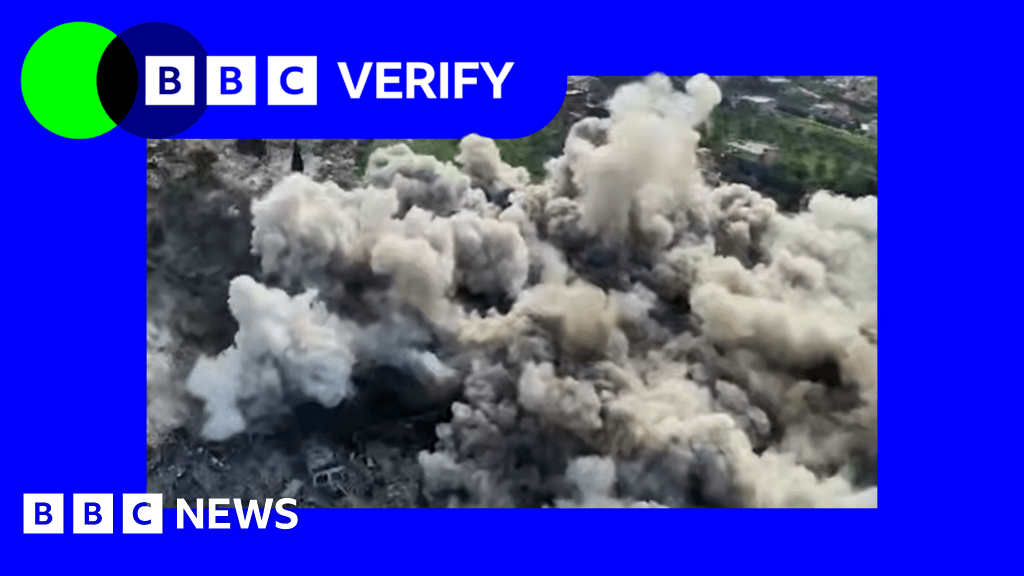
Israeli demolitions levelling towns in south Lebanon, satellite images show
[ad_1]
More than 1.2 million people are estimated to have been displaced across Lebanon, including 820,000 from the south, according to figures by the UN Office for the Co-ordination of Humanitarian Affairs (OCHA). It said the war in Lebanon has forced many to flee to areas further north or cross into Syria.
[ad_2]
Source link -

UK economy g GDP February, beating economists’ expectations
[ad_1]
Millennium Wheel And Skyline At Sunset. London, England.
Design Pics Editorial | Universal Images Group | Getty Images
The U.K. economy grew by 0.5% in February, according to preliminary figures from the Office for National Statistics published Thursday.
Economists polled by Reuters expected U.K. gross domestic product (GDP) to have expanded by 0.1% month-on-month.
Services and production both grew by 0.5%, and construction grew by 1% in February 2026.
The rebound came after the economy grew by 0.1% in January (the first estimate suggested the economy had flatlined), and warnings from the International Monetary Fund that the U.K. could see the biggest hit to growth from the Iran war of any major economy.
The IMF is now forecasting U.K. growth of just 0.8% in 2026, down from a previous forecast of 1.3%. that the IMF made in January
“Looking ahead, we expect growth to temper,” Sanjay Raja, chief U.K. economist at Deutsche Bank, said in emailed analysis.
“Indeed, higher uncertainty would dampen spending and investment. Tighter financial conditions won’t help either. With sentiment weakening, we expect output to also take a hit,” he added.
As a net importer of energy, the U.K. is particularly vulnerable to global energy price shocks like the one being caused by conflict in the Middle East, which has put a stranglehold on oil and gas exports from the region.
Before the war began in late February, the Bank of England was expected to cut interest rates as inflation cooled to its 2% target. The war has put paid to those expectations, however.
Economists now expect U.K inflation to accelerate in March to 3.3%, from 3% in February, forcing the bank to hike interest rates at least once this year. The latest inflation data is due on April 22.
This is a breaking news story. Please refresh for updates.
[ad_2]
Source link -
UK chancellor Rachel Reeves blasts Trump administration over Iran war
[ad_1]

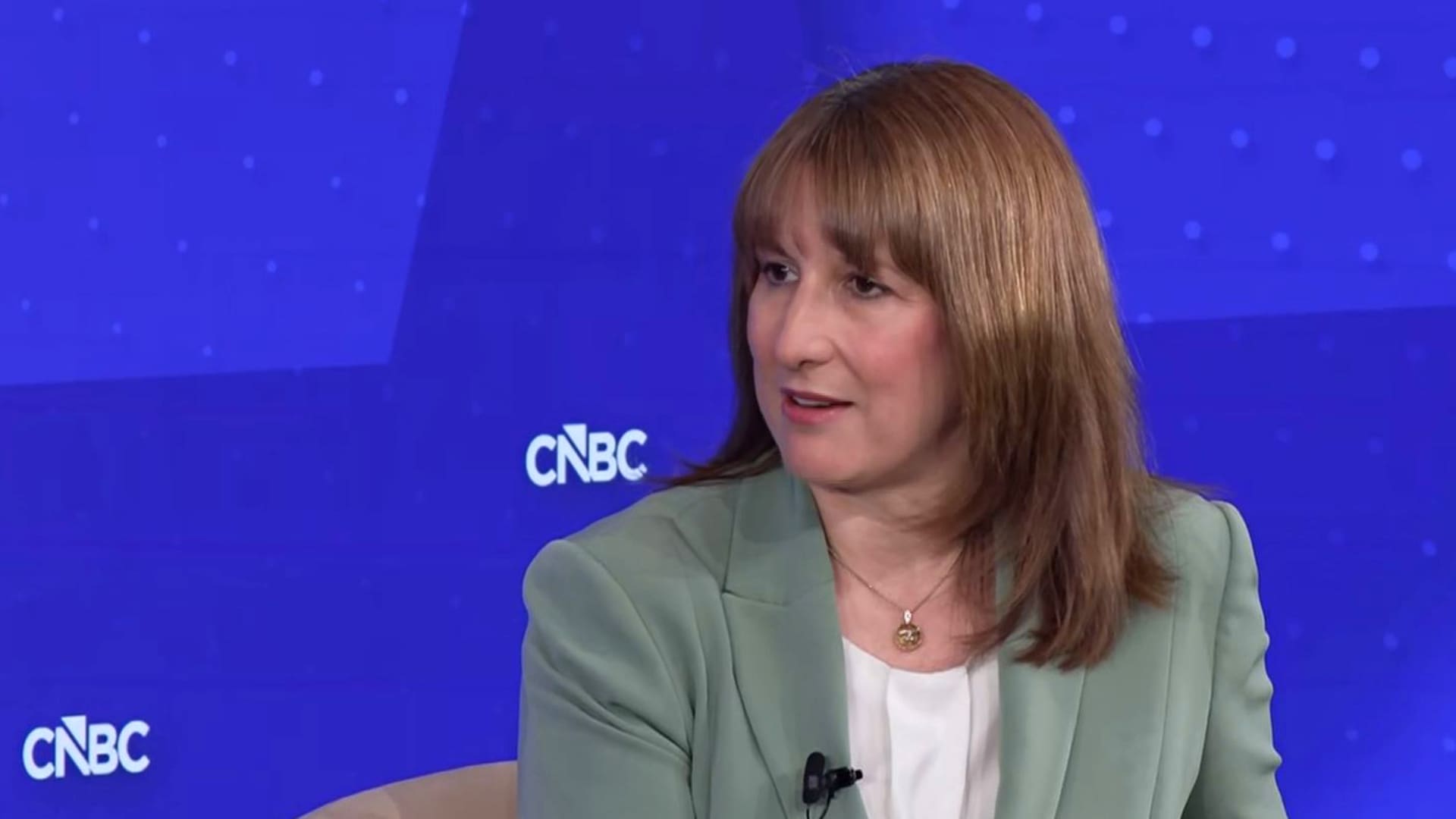
U.K. Finance Minister Rachel Reeves on Wednesday called for an immediate de-escalation of the war in the Middle East, and sharply criticized the U.S. administration’s handling of it.
Speaking to CNBC’s Sara Eisen at the Invest In America Forum in Washington, D.C., Reeves warned of mounting risks to global economic stability caused by the closure of the Strait of Hormuz.
The U.K. chancellor lambasted the Trump administration’s handling of the conflict, saying that the aims of the war were “not clear,” and had shifted between regime change, protecting partners in the region, and stopping Tehran’s nuclear program.
“I’m not convinced this conflict has made the world a safer place,” Reeves said. “It’s not been clear over the last six weeks what exactly the aim of this conflict is.”
She said the U.K. still has a “very good relationship” with the U.S., but added: “We don’t always have to agree on everything.”
She said there has been a lot of long-term damage done to oil and gas facilities in the Middle East. “Even if this conflict does come to an end tomorrow, there are longer-term impacts,” she added. “Damage has been done.”
On Wednesday, the IMF said the U.K. — which is a net importer of gas — will see the biggest hit to growth out of all the world’s richest economies as a result of the Iran war.
Reeves, who is in Washington to attend the IMF-World Bank spring meeting, expressed confidence that the U.K. can beat that forecast. She said the U.K.’s growth will be higher and inflation will be lower if this conflict comes to an end, “and that can only happen through de-escalation.”
“The best economic policy, not just for the U.K. but globally, is de-escalation and the reopening of the Strait of Hormuz,” she said, reiterating “loud and clear” her call for a return to diplomatic negotiations that had been taking place before hostilities began.
[ad_2]
Source link -
Wall Street buys Trump’s assurances on Iran war ending soon
[ad_1]
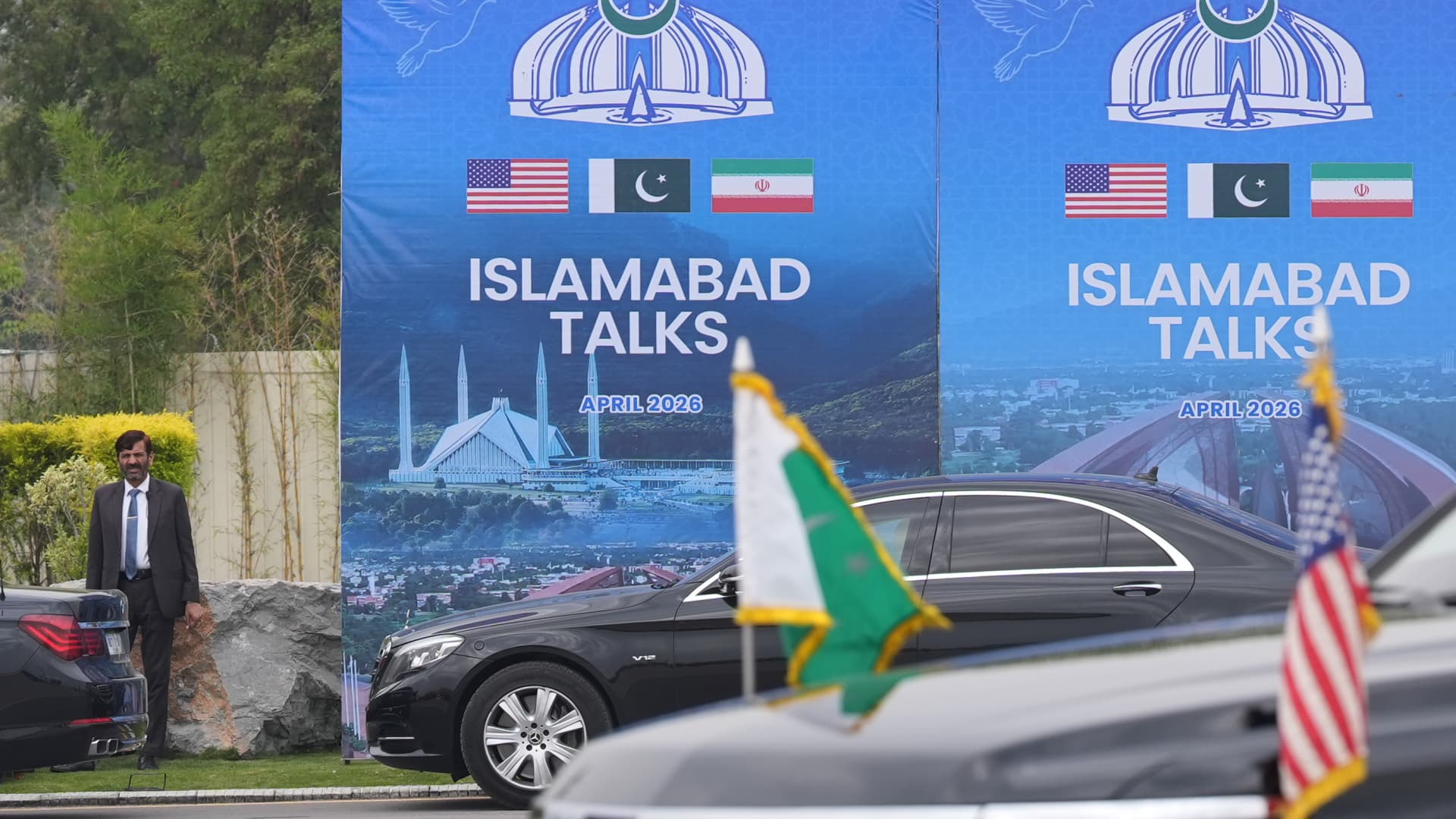
A Pakistani official is seen during the arrival of the U.S. Vice President JD Vance for talks with Iranian officials on April 11, 2026 at Islamabad, Pakistan.
Jacquelyn Martin | Getty Images
Hello, this is Hui Jie writing to you from Singapore. Welcome to another edition of CNBC's Daily Open.
Markets are soaring even as $58 billion in energy assets lie in ruins. But booming indexes don't erase the impact of the war, with the World Bank warning that conflict-related disruptions could last for months.
Enjoy!
What you need to know today
"Wars begin when you will, but they do not end when you please," wrote Renaissance political philosopher Niccolò Machiavelli.
That lesson is proving relevant in the 21st century's latest war, as U.S. President Donald Trump's repeated assurances that the Iran war would end swiftly have yet to materialize.
On Wednesday, the president again insisted that the Iran war is "very close to over" with authorities in Tehran eager to agree a peace deal.
The U.S. and Iran will likely return to Pakistan next week for a second round of peace negotiations, two senior Pakistani officials told MS NOW on Wednesday.
However, Trump's forecast that the "stock market is going to boom," appears to be coming true.
The S&P 500 and Nasdaq Composite rose to new all-time highs overnight, with the S&P advancing 0.8% to 7,022.95, while the Nasdaq gained 1.59% to post its 11th straight gain in a row to 24,016.02.
However, World Bank President Ajay Banga sounded a cautionary note in his interview to CNBC, warning that conflict-related disruptions would likely last for months, even if the current shaky ceasefire lasts and the Strait of Hormuz is reopened.
Estimates from consulting firm Rystad Energy stated that the Iran war has damaged as much as $58 billion worth of energy infrastructure.
More than 80 energy facilities have been attacked in all since the conflict started on Feb. 28, and more than a third of those are severely damaged, according to Fatih Birol, executive director of the International Energy Agency.
With energy markets badly disrupted, the Iran war has also led countries like South Korea to rethink their energy security.
Energy minister Kim Sung-hwan told CNBC's Lisa Kim that the current situation was "serving as a significant turning point" for Seoul to shift to renewable energy and away from oil.
And finally...
[ad_2]
Source link -
China economic growth accelerates to 5% in first quarter, beating expectations
[ad_1]
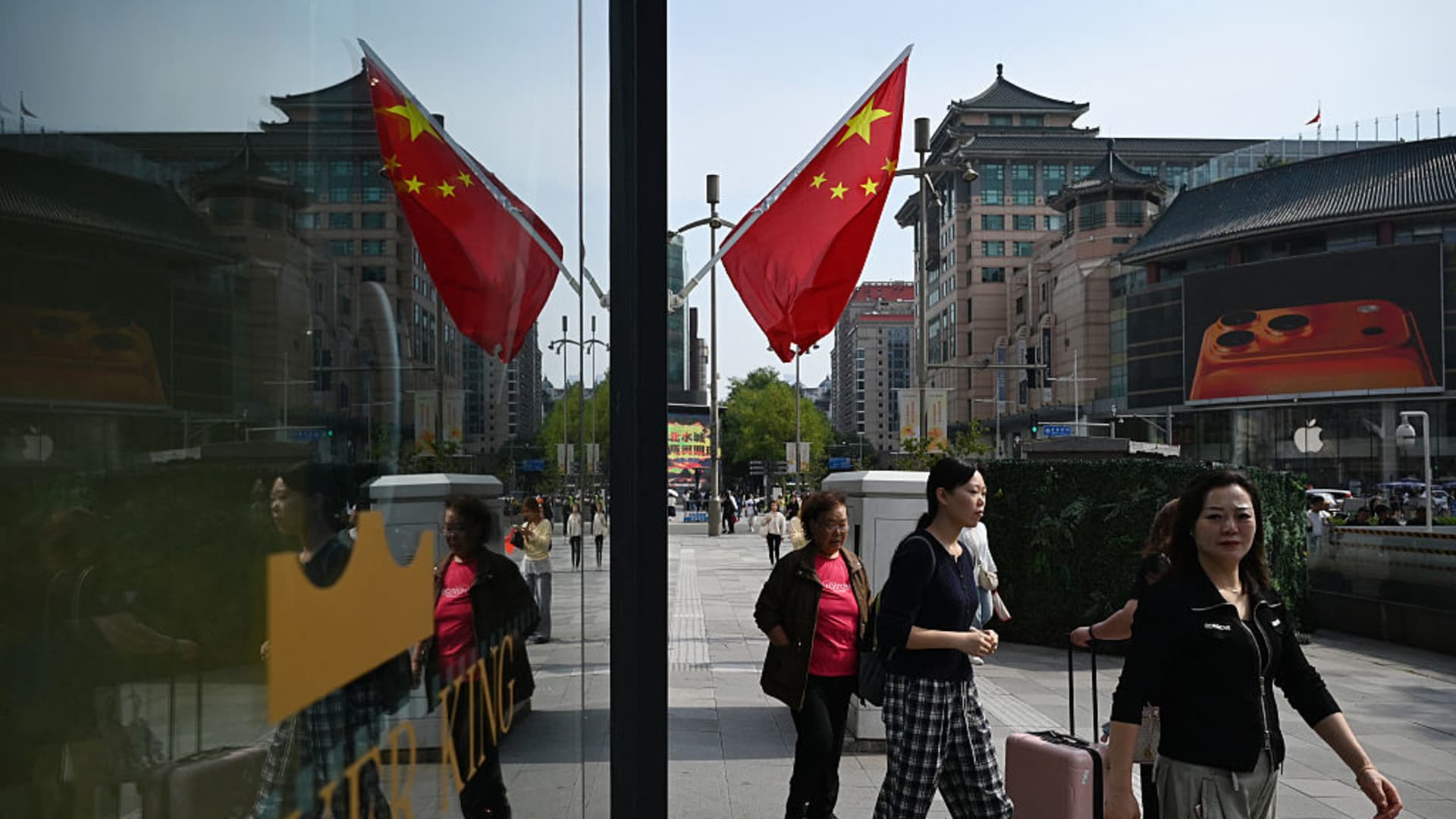
People walk outside a shopping mall during a week-long National Day holiday in Beijing on October 7, 2025.
Greg Baker | Afp | Getty Images
China’s economy gathered steam in the first quarter, as robust exports growth offset tepid domestic demand, though the Iran war-fueled energy shock clouds growth outlook, threatening global demand.
Gross domestic product grew 5% in the three months to March, data from the National Statistics Bureau showed Thursday, accelerating from 4.5% in the prior quarter and exceeding economists’ forecast for a 4.8% growth in a Reuters poll.
Beijing had lowered its growth target this year to a range of 4.5% to 5%, the least ambitious goal on record going back to the early 1990s, in a tacit acknowledgement of demand slowdown and lingering trade tensions with the U.S.
“We should be aware that the external environment is becoming more complex and volatile,” the statistics bureau said in a statement, warning of “acute” imbalance between “strong supply and weak demand.”
Separately, urban fixed-asset investment, including real estate and infrastructure investment, climbed 1.7% in the first quarter from a year earlier, missing expectations for a 1.9% growth in a Reuters poll. Investment in the property sector dropped 11.2%.
In March, China’s retail sales grew 1.7% from a year earlier, slowing from a holiday-boosted 2.8% increase in February and undershooting economists’ forecast for a 2.3% growth. Industrial output expanded 5.7% last month from a year ago, stronger than analysts’ expectations for a 5.5% rise, and compared with 6.3% expansion in February.
For the first quarter, industrial production jumped 6.1% year on year, outpacing retail sales’ quarterly growth of 2.4%, underscoring manufacturing’s continued dominance as the economy’s primary growth engine even as consumption lags.
Robust growth at the start of 2026 has reduced the need for policymakers to double down on fiscal stimulus or monetary easing, with policy focus shifting to sustaining private consumption and investment, said Tianchen Xu, senior economist at EIU. “Growth remains lopsided towards exports,” Xu added.
In the first quarter, China’s exports grew 14.7% from a year earlier in terms of U.S. dollars, the fastest pace since early 2022, according to Economist Intelligence Unit. But that growth has stalled amid the Middle East conflict.
As the world’s largest oil importer and a heavily export-reliant economy, China is vulnerable to an oil shock that’s already slowing trade, pushing up factory costs, and darkening the outlook for the rest of the year.
In March, the country’s exports growth slowed to 2.5%, down sharply from 21.8% in the January-to-February period as the Iran war pushed up energy and logistics costs, weighing on global demand.
China’s factory‑gate prices rose in March for the first time in more than three years, signaling that a spike in energy costs has started seeping into the manufacturing sector and threatening already-thin corporate margins.
— CNBC’s Evelyn Cheng contributed to this report.
[ad_2]
Source link -
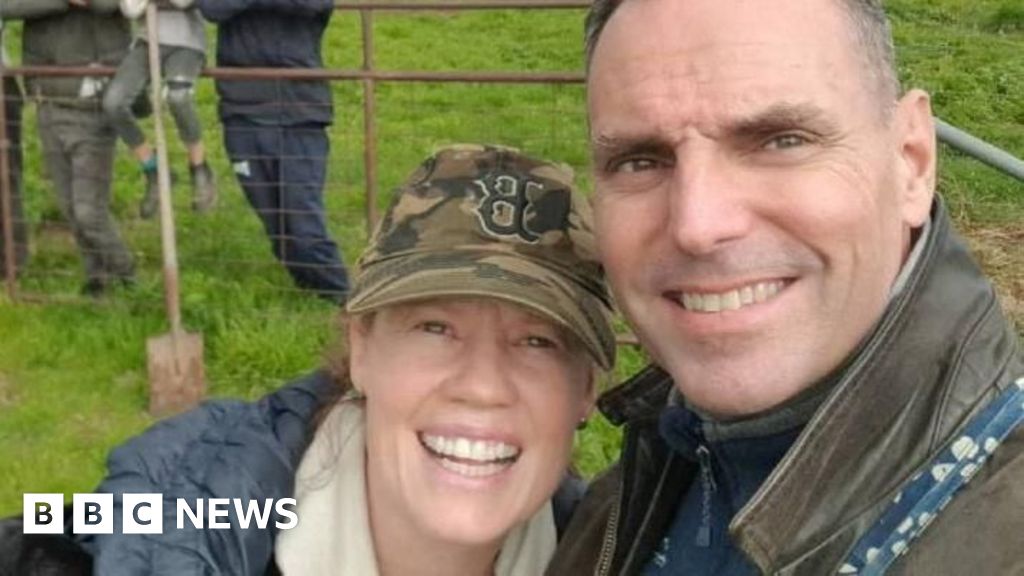
Former US Marine pilot loses appeal against extradition from Australia
[ad_1]
Daniel Duggan was arrested in 2022 over claims he illegally trained the Chinese military in South Africa.
[ad_2]
Source link -
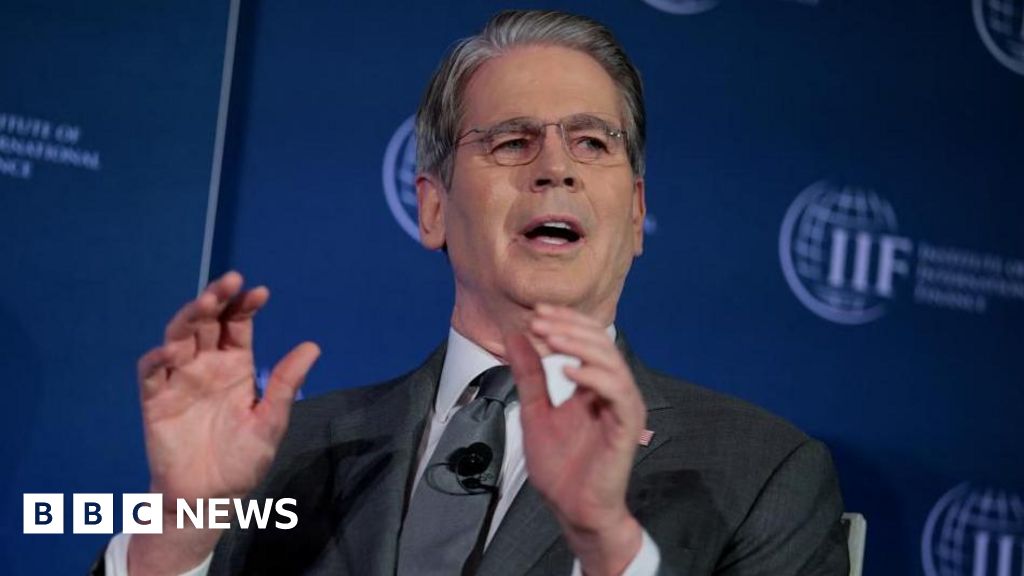
'Bit of pain' worth long-term security from Iran, Bessent tells BBC
[ad_1]
US Treasury Secretary said a “small bit of economic pain” was worth it to eliminate the threat of Iranian strikes on Western capitals.
[ad_2]
Source link -
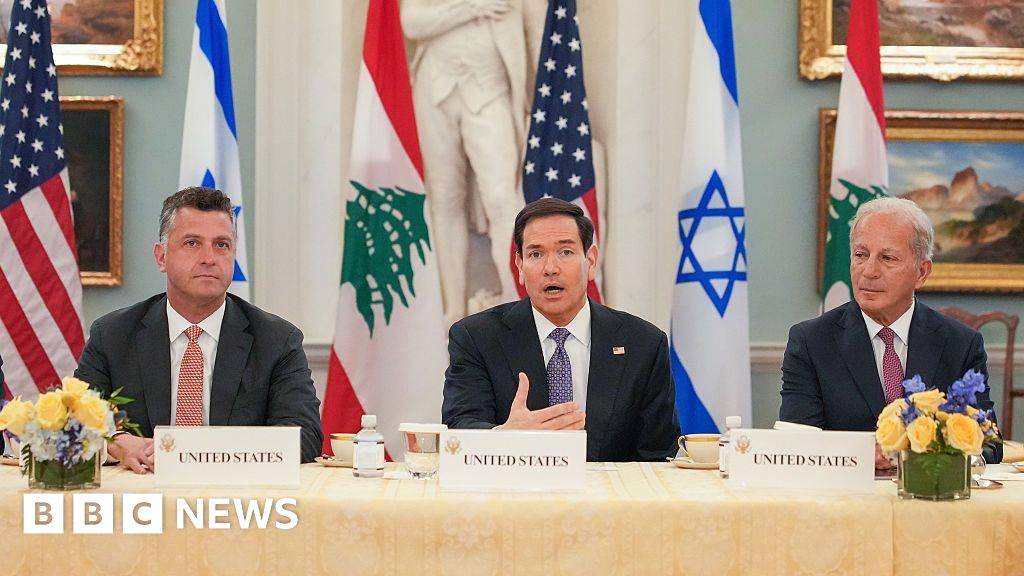
Israel and Lebanon hold first direct talks since 1993
[ad_1]
A US statement said the two sides had agreed to launch direct negotiations, at a time and place to be determined.
[ad_2]
Source link -

SantaCon organiser charged with stealing $1m from charity pub crawl
[ad_1]
But prosecutors allege that of about $2.7m (£1.989m) raised from SantaCon, Pildes diverted more than half the money to a “slush fund” for his own personal ventures, using hundreds of thousands of dollars to pay for “concert tickets, fine dining, luxury vacations, and home renovations”.
[ad_2]
Source link