[ad_1]
Nancy Guthrie disappeared from her home in Tucson, Arizona, in what authorities believe was an abduction.
[ad_2]
Source link
Blog
-

Savannah Guthrie returns to NBC's Today show, as search for mother goes on
-
JPMorgan CEO Jamie Dimon annual letter cites risks in geopolitics, AI, private markets
[ad_1]
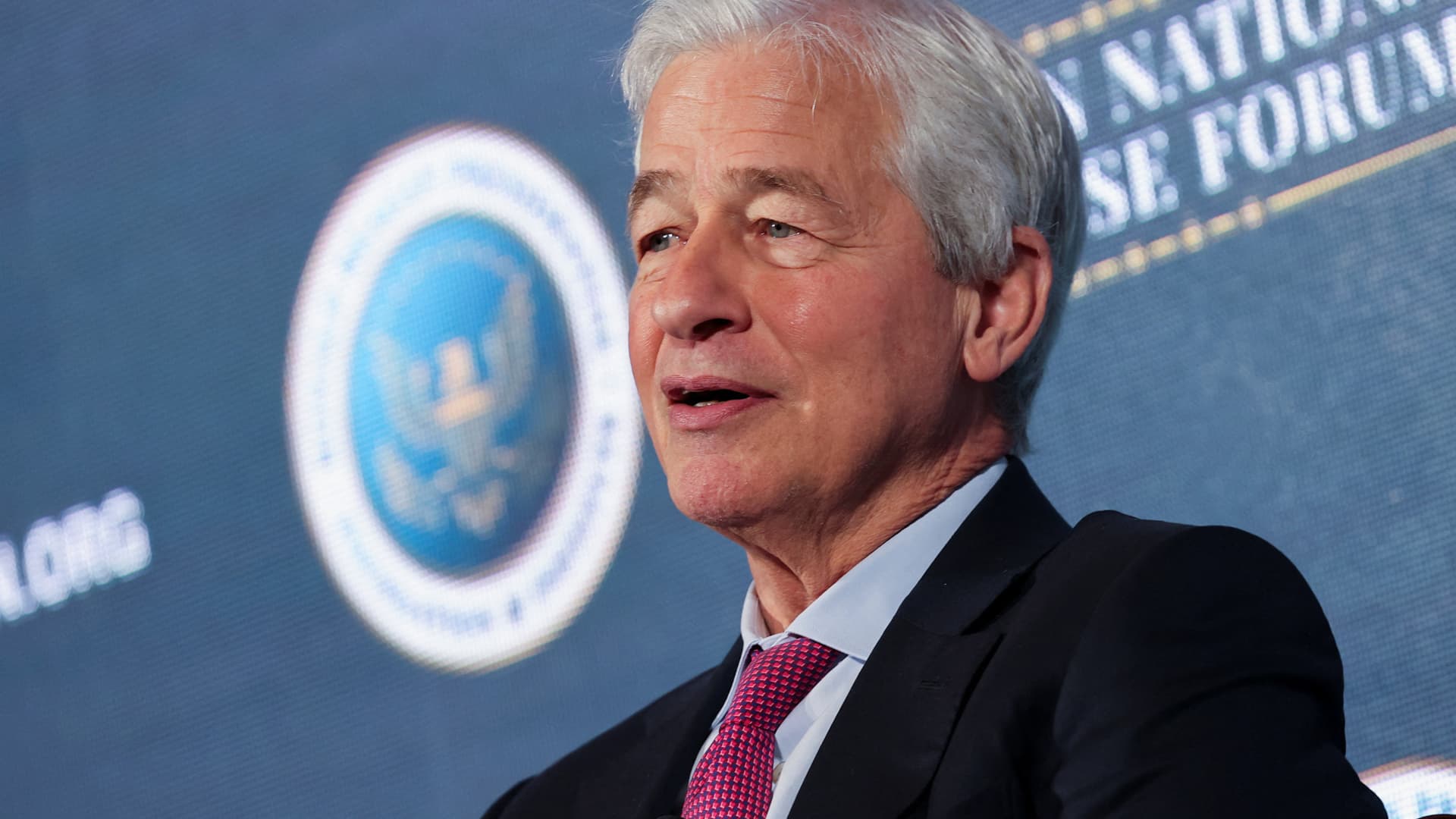
Jamie Dimon, Chairman and CEO, JPMorganChase, speaks during the Reagan National Defense Forum at the Ronald Reagan Presidential Library in Simi Valley, California, U.S. December 6, 2025.
Jonathan Alcorn | Reuters
JPMorgan Chase CEO Jamie Dimon is calling for a broad recommitment to American ideals as his bank navigates geopolitical uncertainty, a teetering economy and the revolutionary impact of artificial intelligence.
Dimon in his annual letter to shareholders, published Monday, noted the country’s 250th anniversary as “the perfect time to rededicate ourselves to the values that made this great nation of ours — freedom, liberty and opportunity.”
“The challenges we all face are significant. The list is long but at the top are the terrible ongoing war and violence in Ukraine, the current war in Iran and the broader hostilities in the Middle East, terrorist activity and growing geopolitical tensions, importantly with China,” Dimon said. “Even in troubled times, we have confidence that America do what it has always done — look to the values that have defined our singular nation and sustained our leadership of the free world.”
Dimon, the longtime leader of the world’s largest bank by market cap, is among the most outspoken of U.S. corporate leaders. His annual letter offers not only a matter of record for his firm’s performance, but also sweeping perspectives on the global state of affairs.
In Monday’s letter, Dimon noted headwinds including global conflicts, persistent inflation, private market upheaval and what he called “poor bank regulations.”
Dimon said that while regulations like those put in place after the 2008 financial crisis “accomplished some good things … they also created a fragmented, slow-moving system with expensive, overlapping and excessive rules and regulations — some of which made the financial system weaker and reduced productive lending.”
He specifically cited negative consequences of capital and liquidity requirements, the current construction of the Federal Reserve’s stress test and a “badly handled” process at the Federal Deposit Insurance Corporation.
Dimon also said JPMorgan’s reaction to revised proposals for Basel 3 Endgame and a global systemically important bank (GSIB) surcharge — issued by U.S. regulators last month — were “mixed.”
“While it was good to see that the recent proposals for the Basel 3 Endgame (B3E) and GSIB attempted to reduce the increase in required capital from the 2023 proposals, there are still some aspects that are frankly nonsensical,” Dimon said.
The CEO said the aggregate proposed surcharges of about 5%, the bank would need to hold “as much as 50% more capital across the vast majority of loans to U.S. consumers and businesses when compared with a large non-GSIB bank for the same set of loans.”
“Frankly, it’s not right, and it’s un-American,” he said.
On trade and geopolitics
Dimon identified geopolitical tensions as the primary risk facing his bank, namely the wars in Ukraine and Iran and their impacts on commodities and global markets — deeming war “the realm of uncertainty.”
“The outcome of current geopolitical events may very well be the defining factor in how the future global economic order unfolds,” he said. “Then again, it may not.”
He also cited a “realignment of economic relations in the world” brought on by U.S. trade policy. U.S. President Donald Trump has made tariffs a signature policy of his second term in office, introducing higher duties on dozens of trade partners and import categories.
“The trade battles are clearly not over, and it should be expected that many nations are analyzing how and with whom they should create trade arrangements,” Dimon said. “While some of this is necessary for national security and resiliency, which are paramount, it is hard to figure out what the long-term effects will be.”
On private markets
Dimon also spoke to recent upheaval in the private markets, as fears around loans made to software firms spur massive redemption requests at private credit funds.
“By and large, private credit does not tend to have great transparency or rigorous valuation ‘marks’ of their loans — this increases the chance that people will sell if they think the environment will get worse — even if actual realized losses barely change,” Dimon said.
The executive added that actual losses are already higher than they should be relative to the environment.
“However this plays out, it should be expected that at some point insurance regulators will insist on more rigorous ratings or markdowns, which will likely lead to demands for more capital,” he said.
On AI
Dimon reiterated Monday that the pace of AI adoption is unlike any technology that came before it. He said while its implementation will be “transformational,” it remains to be seen how the AI revolution will unfold.
“Overall, the investment in AI is not a speculative bubble; rather, it will deliver significant benefits. However, at this time, we cannot predict the ultimate winners and losers in AI- related industries,” Dimon said.
“We will not put our heads in the sand. We will deploy AI, as we deploy all technology, to do a better job for our customers (and employees),” he wrote.
JPMorgan has been at the forefront of Wall Street firms introducing AI at every level of its business. Last year, JPMorgan Chief Analytics Officer Derek Waldron gave CNBC an early demonstration into how it’s using agentic AI to speed up work and improve results for customers and shareholders.
In February, Dimon said AI was reshaping JPMorgan’s workforce and that the bank had “huge redeployment plans” for employees.
“We have focused on some of the ‘known and predictable’ and some of the ‘known unknown’ events,” he said. “But huge technological shifts like AI always have second- and third-order effects as well that can deeply impact society. … We should be monitoring for this kind of transformation, too.”
— CNBC’s Leslie Picker and Ritika Shah contributed to this report.
[ad_2]
Source link -
India turns to Iran for oil and gas after 7-year hiatus, signaling limits to U.S. tilt
[ad_1]
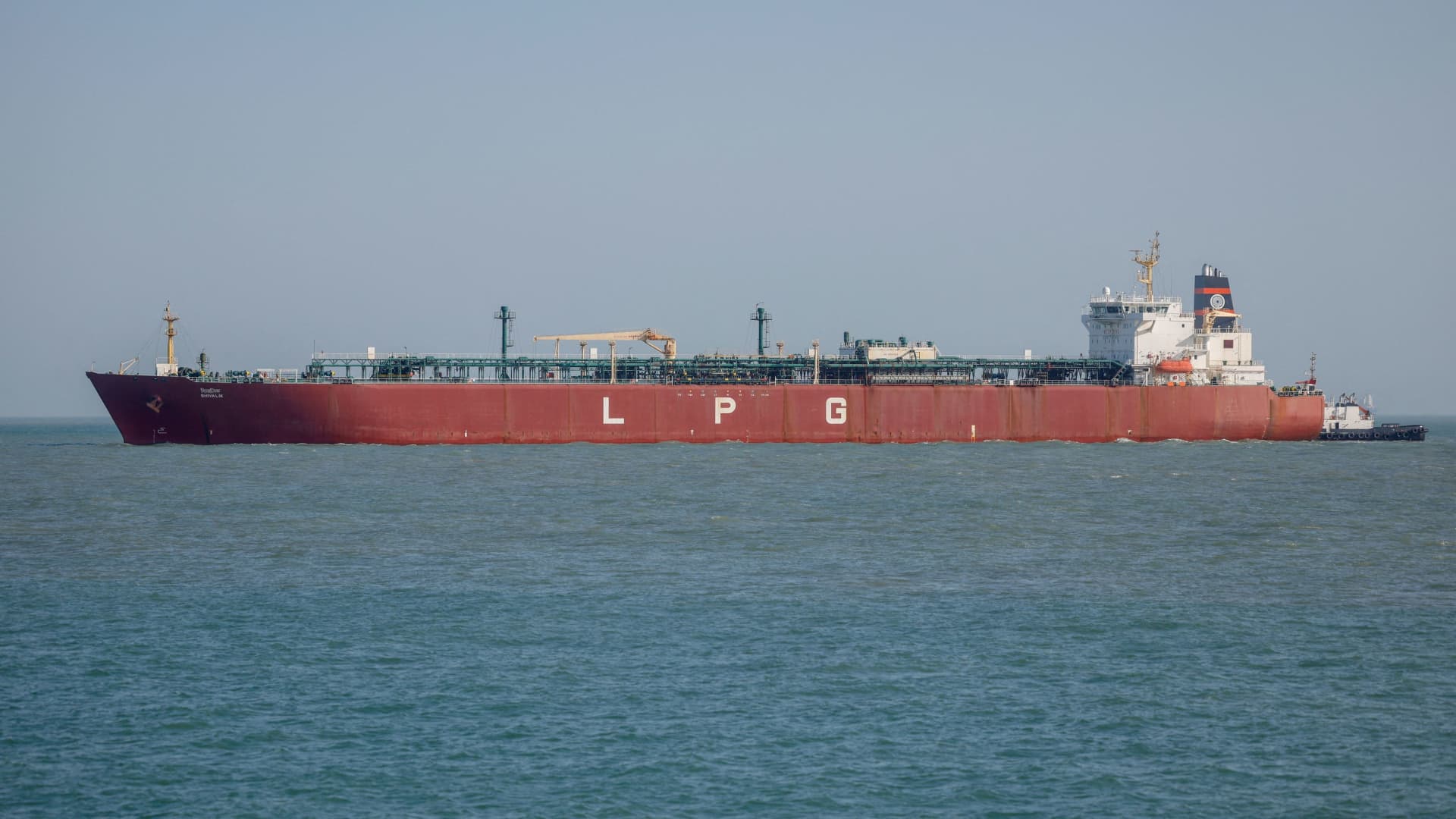
An Indian liquefied petroleum gas (LPG) carrier, Shivalik, arrives at Mundra Port via the Strait of Hormuz, amid the U.S.-Israel conflict with Iran, in Gujarat, India, March 16, 2026.
Amit Dave | Reuters
India has begun buying oil and gas from Tehran after a seven‑year hiatus as it grapples with supply disruptions and elevated energy prices triggered by the U.S.-Israel war on Iran.
The move to resume Iranian energy imports — the first purchases since 2019, according to energy intelligence firm Rystad Energy — is unlikely to draw immediate ire from Washington, but analysts say it underscores New Delhi’s attempt to rebalance ties with Tehran.
On Saturday, India’s Ministry of Petroleum and Natural Gas said Indian refiners had secured crude supplies from more than 40 countries, including Iran, amid disruptions caused by the Middle East conflict.
The ministry denied that refiners faced any payment hurdles for Iranian crude and said a vessel carrying 44,000 metric tons of Iranian liquefied petroleum gas (LPG) had berthed at a southern Indian port.
“It’s a confidence‑building mechanism with Tehran,” Arpit Chaturvedi, South Asia advisor at Teneo, told CNBC in an email, adding that the energy purchases act as an “insurance policy,” signaling that India does not intend to take sides in the conflict.
In return, India “expects cooperation from Iran” to ensure the safe passage of its ships through the Strait of Hormuz in the future, he said.
India, the world’s third‑largest oil importer and second‑largest consumer of LPG, is heavily dependent on supplies transiting the Strait of Hormuz. About 50% of its crude oil and most of its LPG — the primary cooking fuel for households and commercial establishments — passes through the strategic waterway.
“India is buying oil from Iran following a U.S. waiver allowing purchases of Iranian crude,” said Amitendu Palit, senior research fellow and research lead at the Institute of South Asian Studies. He added that future imports would depend on whether sanctions on Iranian oil are reinstated and how the regional geopolitical situation evolves.
Careful balancing act
Despite India’s long‑standing ties with Tehran, there is a growing public perception that New Delhi has tilted towards Washington since the start of the Middle East conflict.
Meanwhile, 17 Indian‑flagged vessels are awaiting safe passage through the strait, and seven have crossed the route in recent weeks following diplomatic engagement with Tehran. The move suggests India is drawing clear limits in its alignment with the U.S.
“The assumption that the U.S. is a dependable partner in moments of crisis has been tested repeatedly,” said Reema Bhattacharya, head of Asia research at Verisk Maplecroft, adding that India is likely to diversify partnerships that outlast the current conflict.
Last week, U.S. President Donald Trump urged countries dependent on energy flows through the Strait of Hormuz to join a U.S.-led naval coalition to protect shipping in the waterway, saying they must “grab it and cherish it” while pledging U.S. support.
“India has chosen to negotiate bilaterally with Iran for safe passage instead of joining Washington’s proposed naval coalition — a deliberate act of distance,” Bhattacharya said. It reflects India’s energy pragmatism and reluctance to be publicly enlisted in a conflict it did not choose.
The balancing act comes after the Trump administration last year imposed an additional 25% tariff on Indian exports and accused New Delhi of funding Russia’s war in Ukraine by importing cheap crude from Moscow.
To secure a trade deal with Washington, India cut back on Russian oil imports and increased purchases from the Middle East. However, the outbreak of war disrupted those supplies, forcing India to return to Russian crude amid tight global markets and rising fuel prices.
Kpler data shared with CNBC shows that India’s imports of Russian oil rose to around 1.9 million barrels per day as of March 24, up from about 1 million bpd in February. Despite this, India’s energy procurement costs have soared.
The average price of the Indian crude basket surged from $69 per barrel in February 2026 to $113 per barrel in March due to a “steep rise in procurement costs,” Pankaj Srivastava, senior vice president at Rystad Energy, told CNBC in an email.
[ad_2]
Source link -
Trump’s Iran ultimatum and signals of a possible deal keep investors on tenterhooks
[ad_1]
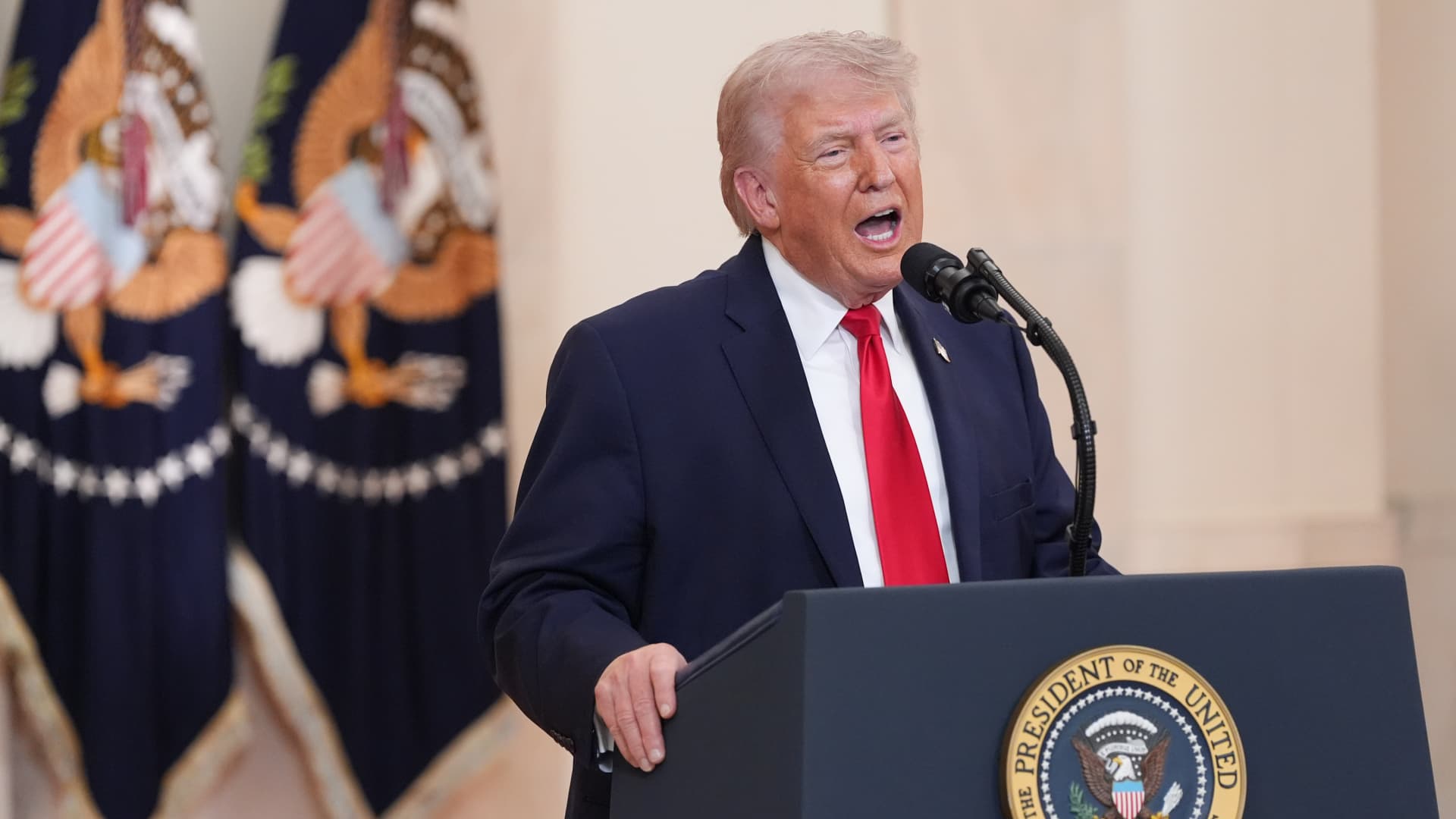
US President Donald Trump during a prime-time address to the nation in the Cross Hall of the White House in Washington, DC, US, on Wednesday, April 1, 2026.
Alex Brandon | Bloomberg | Getty Images
Investors are caught between positioning for a swift deal that ends the war and a significant escalation that could send oil prices and bond yields soaring further as they start a holiday-thinned trading week.
President Donald Trump issued a profanity-laden ultimatum on Sunday, warning Iran it would be “living in Hell” if the Strait of Hormuz isn’t reopened by Tuesday, 8 p.m. ET, declaring it “Power Plant Day, and Bridge Day, all wrapped up in one.”
Separately, in an interview with Fox News on Sunday, Trump said he was hopeful that there was a “good chance” for a deal to be reached by Monday.
Conflicting signals have set up a week in which investors are forced to position for starkly divergent outcomes.
Meanwhile, Iran has rejected Trump’s latest threats, saying that the critical waterway would only reopen fully after Tehran is compensated for the damage from the war, as it continued strikes across the Gulf over the weekend, including Kuwait’s oil headquarters.
“Markets are on edge, as time is running out and the outcomes are binary — truce or escalation,” said Rob Subbaraman, head of global macro research at Nomura. Trump’s tone nonetheless suggested a degree of urgency in the White House to bring the war to an end, Subbaraman said, as investors continued their positioning to “hedge the escalation risk.”
Trump has been vacillating between hailing talks with Iran as productive with a peace deal imminent, and warning that he’s prepared to intensify military action against the Islamic Republic. He has repeatedly extended the deadline for Iran to reopen the Strait of Hormuz.
Mixed messaging has led to market volatility accompanied by choppy oil trading. The S&P 500 gained 3.4% last week, logging its best weekly gains since November as investors bought the dip on hopes of a diplomatic resolution. The Cboe Volatility Index surged from below 20 before the war to around 24 last week.
“Trump’s escalatory tone [over the weekend] is very much in line with his playbook: headline-driven, unpredictable, and designed to apply maximum pressure quickly,” said Mohit Mirpuri, an equity fund manager at SGMC Capital.
“Markets will need to get used to this style of policymaking for the foreseeable future while he’s in office,” Mirpuri added.
Stagflation risks loom
The month-long war and the effective blockade of the Strait of Hormuz threaten to plunge the world into one of its most severe energy crises in history. And even a diplomatic breakthrough might not bring a quick relief to markets, analysts said.
Brent crude prices surged to $109.77 per barrel on Monday, about 50% higher since the war broke out on Feb. 28. U.S. West Texas Intermediate has soared 66% and was trading at $111.2 as of 11 p.m. ET.
Despite a modest uptick in recent days, shipping traffic through the Strait of Hormuz — through which nearly a fourth of the world’s seaborne oil and a fifth its liquefied natural gas transited before the war — remained 95% lower than the pre-war levels.

“Even in a scenario where the Strait of Hormuz remains open, the damage to confidence and supply chains is already done — things don’t just snap back to normal,” Mirpuri said. “Markets will likely remain headline-sensitive, with sharp swings both ways as narratives shift.”
The OPEC+ decision on Sunday to raise production quotas by 206,000 barrels per day for May would barely help shore up oil supplies, as the war has constrained production and shipments from some of the world’s largest crude producers.
The war has “lasted long enough for there to be serious inflation spikes around the world,” Subbaraman said, warning that “if the war escalates from here, the inflation shock could soon escalate into a growth shock, with demand destruction and outright stagflation.”
Bond yields: underestimated risk
The fixed-income market is quietly repricing the inflation outlook. The 10-year Treasury yield climbed to 4.362% Monday, up from 3.962% before the conflict started, hovering near the highest levels since mid-2025, as investors pared back expectations for interest rate cuts by the Federal Reserve this year.
“One of the bigger risks that’s underappreciated is the move in government bond yields,” said Mirpuri. “If this geopolitical shock feeds into sustained inflation expectations, yields could move higher again, tightening financial conditions at a time when markets are already fragile.”
Wall Street strategist Ed Yardeni said that the fixed-income markets have been repricing government notes to reflect the rapidly deteriorating outlook for inflation, with “bond vigilantes taking matters into their own hands and tightening credit conditions.”
“Now we can’t rule out a bear market and even a recession. It all depends on how long the strait will be closed,” Yardeni warned, deepening economic pains from the disruption in global energy flows.
Headlines-driven volatility
As investors hold their breath ahead of Tuesday’s deadline, markets are expected to remain highly volatile as they try to assess every signal from Washington and Tehran.
Japan and Korea markets rose Monday as Axios reported that the U.S., Iran and a group of regional mediators were discussing terms for a potential 45-day ceasefire that could lead to a permanent end to the war, although the report said the chances for reaching a partial deal before the deadline were slim. Indian benchmark indexes were trading lower.
“We are [now in] an event-driven market where headline risk dominates intraday moves, and positioning needs to account for binary outcomes,” said Hiroki Shimazu, chief strategist at MCP Asset Management.
He expects both sides to gravitate toward a de-escalation brokered by Oman in the form of “a quiet reduction in strike tempo,” rather than a decisive resolution. “We are in a protracted stalemate phase rather than approaching a clean resolution,” said Shimazu, expecting a prolonged period of volatility in the weeks ahead.
Investors also await a spate of key economic data out of the U.S. this week. The February personal consumption expenditures index — the Fed’s preferred inflation gauge — is due Thursday and will offer an early read on whether the oil shock is feeding through to prices in the world’s largest economy.
Spot gold, which has depreciated about 12% since the war began to $4,672.03 per ounce, also faces a tug of war between safe-haven demand and geopolitical headwinds from a stronger dollar and rising Treasury yields. A strengthening dollar has made the greenback-priced bullion less affordable for other currency holders, while higher yields have eroded the non-yielding metal’s appeal.
“Near-term uncertainty is clearly very high, and for most investors, it is just wait and watch at this stage,” said Chetan Seth, APAC equity strategist at Nomura.
[ad_2]
Source link -
AI data center boom ‘stress tests’ insurers as private capital soars
[ad_1]
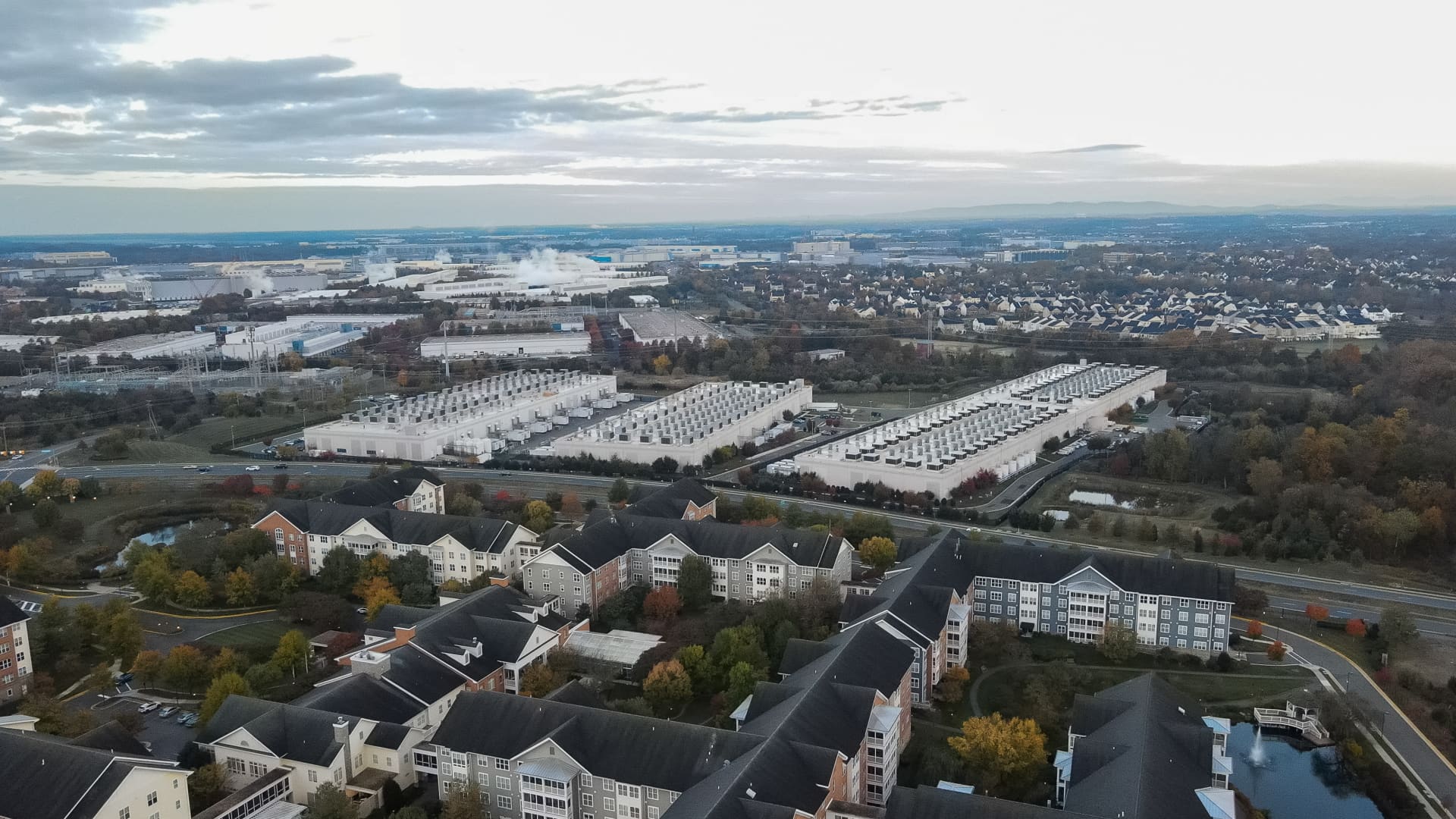
AI data centers are becoming a “stress test” for insurers as rapid technological advancements and the use of increasingly complex financial structures present a unique set of challenges and opportunities for the sector.
Global spending on data centers could reach $7 trillion by 2030, according to McKinsey, and much of that spending can no longer come solely from hyperscalers. Instead, Big Tech is increasingly tapping private equity, private credit and using debt to finance the capital-intensive build-out of the facilities.
Private infrastructure data center deals were consistently above the $10 billion mark last year, according to data from Preqin. The largest deal amounted to $40 billion, with Nvidia, Microsoft, BlackRock and Elon Musk’s xAI forming part of a consortium of investors to buy Aligned Data Centers.
The fact that so much money is tied up in building, constructing, and running data centers has been a “real stress test” over the last four to five years for the major insurance companies, Tom Harper, data center leader at insurance broker Gallagher, told CNBC.
“When you put $10 to $20 billion plus in a single location, it creates capacity issues in the marketplace. The marketplace has always had an appetite for these risks because they are such high-quality builds. They’ve got cutting-edge technology, they’re AA plus plus construction locations, but the capacity — the ability to provide the insurance capacity at these locations — has been tough.”
It was nearly impossible to reasonably insure a $20 billion campus in 2023, according to Harper. In 2026, however, it’s become a weekly conversation.
We’re talking about trillions of dollars, and almost going back to the same cycle where there’s almost no transparency about the financing structures — the scale is astronomical
Rajat Rana
Partner at Quinn Emanuel Urquhart & Sullivan,
Estimated spending on AI data centers has been referred to as the biggest peacetime investment project in history. Rajat Rana, partner at Quinn Emanuel Urquhart & Sullivan, told CNBC he would take it a step further and stress that this is the “largest peacetime investment project in human history, which is financed largely off balance sheet.”
Rana, who worked on structured finance litigation in the wake of the housing crisis triggered by the 2008 Financial Crash, said tracking developments in AI data center financing feels like “deja vu.”
“We’re talking about trillions of dollars, and almost going back to the same cycle where there’s almost no transparency about the financing structures — the scale is astronomical,” he said.
The AI boom is not only driving a rush in demand for the facilities, it’s also spurring rapid advancements in power generation and chips — the critical tech that the data centers house. The advancements and huge sums of money flowing into the sector pose both risks and rewards for insurers and lenders.
Bespoke policies
Data centers require a specialized approach from insurers, encompassing both real estate and technological assets. Some of the largest insurers in the world are creating data center specific avenues to manage the projects, Gallagher’s Harper said.
The facilities present unique challenges due to the high concentration in value, the required power generation and “bleeding edge tech,” which typically grants them advantageous pricing and makes them “very desirable,” Harper told CNBC.
Insurers want to spread risk, which drives costs down. But issues arise when you have $20 billion worth of assets concentrated in a high-wind or hurricane zone, he added.
Supply chain disruption can add complexity when it leads to a concentration of high-value equipment that is yet to be installed. Clients are importing large dollar amounts of shipments from overseas and then storing them — often in facilities they don’t own or operate — which introduces additional risk, he said.
The M&A boom is also keeping transactional lawyers busy, with Kirkland & Ellis noting that a number of companies are forming data center specific teams, enlisting specialists across real estate, power, telecom, finance, insurance, trade, private equity and cybersecurity.
Professional services firm Marsh launched a dedicated digital infrastructure advisory group designed to help clients as contracts become increasingly complex.
Last year, Marsh also launched Nimbus, a 1-billion-euro ($1.2 billion) insurance facility for covering the construction of data centers in the U.K. and Europe. Seven months later, it expanded the facility to offer limits of up to $2.7 billion.
“Private credit can meaningfully complement banks and can support non‑hyperscale contracted offtakes,” said Alex Wolfson, senior vice president of credit specialties at Marsh Risk.
As data center loans increase, insurers who protect lenders if a borrower doesn’t pay, are starting to hit limits, Wolfson explained. Marsh is working on solutions to support lenders.
However, Quinn Emanuel’s Rana cautioned that when it comes to data centers, it’s not easy for insurance companies to fully understand the risk as financing moves off the balance sheet.
He noted that in January, four U.S. senators called on the government to investigate how Big Tech is increasingly turning to “complex and opaque debt markets to borrow staggering sums of cash.” In an open letter, the senators warned that massive debt loads could cause “destabilizing losses” for financial institutions, triggering a broader financial crisis that harms the economy.
That increased opacity in financing can lead to second-order litigation risks for downstream investors such as pension funds, insurers and asset managers invested in private credit funds who later learn they were not fully aware of concentration risk, Rana said in a note published in March.
He told CNBC that some PE funds have reached out to him with concerns about commercial leases and the valuation of properties.
Tenants are trying to negotiate the extensions of their properties and landlords are disputing the value as they look for higher prices for AI data centers.
“I’m not a doomsday guy who’s saying, hey, it’s gonna crash. My point is, whether it crashes or not, the disputes are inevitable, and we have already seen those disputes,” Rana said.
‘GPU debt treadmill’
A key debate around potential cracks in financing centers on GPUs and the risk that their lifecycles may not align with the longer lifespan of the facilities that house them.
CoreWeave, which sells AI tech in the cloud, is the first company to secure GPU-backed loans, essentially using the value of the high-performance chips as collateral. Last week, the company announced it secured $8.5 billion in a first investment-grade rated GPU-backed deal. Its stock jumped 12% on the day.
While data centers typically have a decades-long lifecycle, the average lifecycle of a GPU is around seven years.
“There are different data centers that are raising debt by disclosing different life cycles to investors,” said Rana. He referred to the problem as the “GPU debt treadmill,” a phrase coined by AI commentator Dave Friedman.
“This is almost like a treadmill that these AI data centers are running on,” Rana told CNBC. Even if the financing structure is ring-fenced and backed by an investment-grade counterparty, the real risk may lie in whether an equity issue today later evolves into a credit problem over time.

“As these new chips come in, the data centers will feel pressured to raise more debt, and then they will have to build new infrastructure, and then that basically creates a billion-dollar question: how fast can you build these facilities? How fast can you raise credit?”
The cost of funding these projects is likely to continue to fuel recent growth in asset-backed securitization deals, says Harper, with greater volumes of commercial mortgage-backed securities sold to investors.
For some insurers, like Gallagher, the changing dynamics in the sector are opportunities rather than challenges. Harper said the lifecycles of GPUs have been increasing. Where things have depreciated quickly, Gallagher has had to get creative and write bespoke insurance polices with a predetermined agreement on how to value the assets.
“It would be a nightmare with the size and scope of these [facilities] to determine [the value of] each individual unit,” he said.
Harper also stressed that GPUs are interchangeable. The firm has seen operators anticipate relatively short life cycles and construct facilities that are more modular in response.
“There is a core tension in data center project finance: lenders typically want asset lives that exceed loan tenors by a comfortable margin, and the shorter useful life of GPUs challenges that assumption,” said Marsh Risk’s Wolfson.
Lenders are therefore structuring loans more cautiously to protect themselves.
[ad_2]
Source link -
Japan, South Korea stocks open higher as investors assess Trump’s Iran war comments, extended deadline
[ad_1]
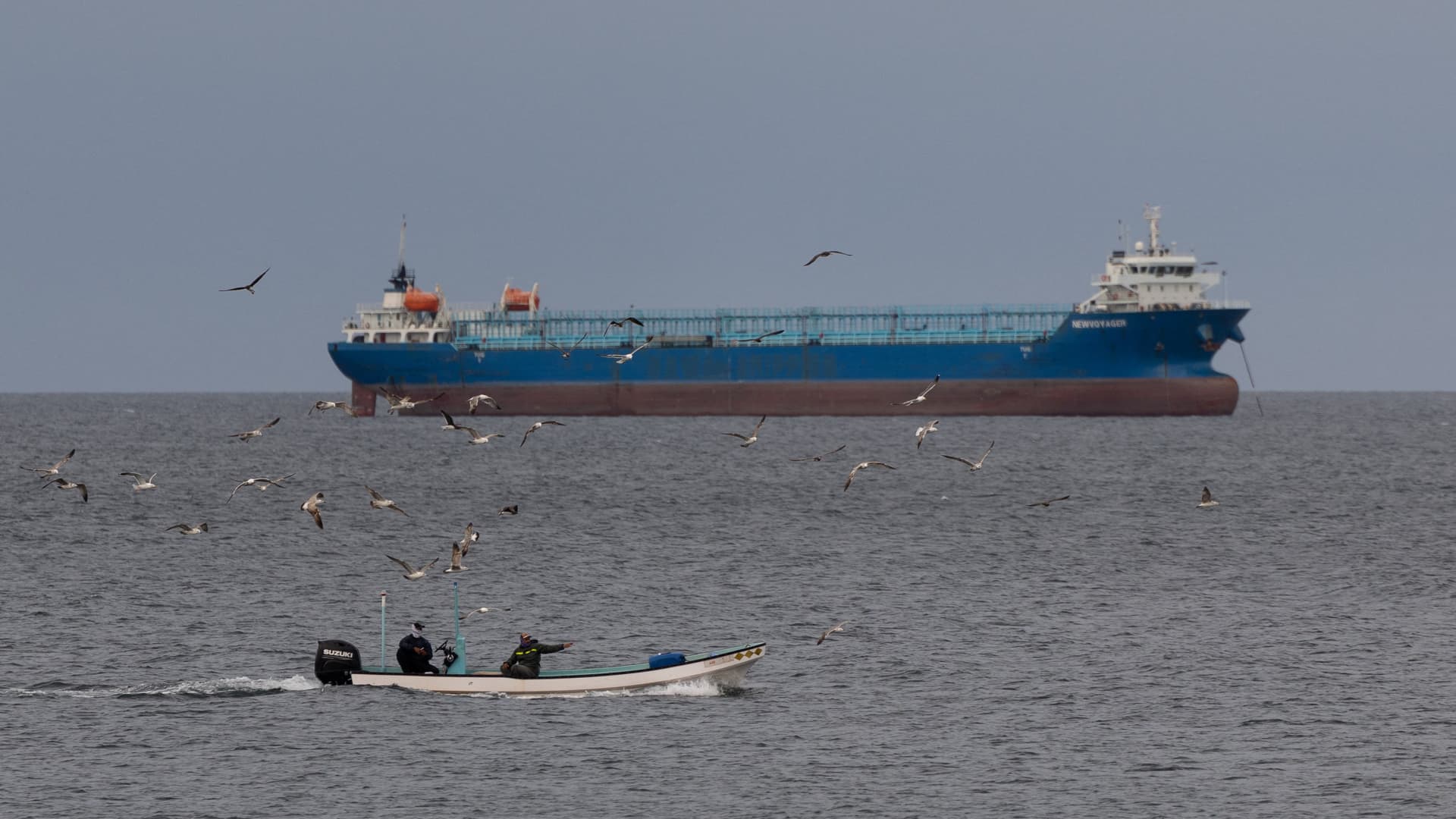
A small boat with fishermen passes as a vessel sits at anchor, amid the U.S.-Israeli conflict with Iran, off Sultan Qaboos Port in Muscat, Oman, March 25, 2026.
Stringer | Reuters
Japan and South Korean stocks rose Monday, while most Asian markets were closed for holidays, as investors parsed the latest developments in the Middle East conflict over the weekend.
President Donald Trump on Sunday issued a fresh round of threats to attack Iran’s power plants and civilian infrastructure starting Tuesday, if Tehran failed to fully reopen the Strait of Hormuz.
The key oil chokepoint between Iran and the Arabian Peninsula handled about one-fifth of the world’s oil supplies before the war between U.S.-Israel and Iran started on Feb. 28.
In an expletive-laden social media post, Trump vowed to bring “Hell” to Iran after U.S. forces rescued an American airman in Iran last week.
He later posted about a “Tuesday 8 P.M. Eastern Time” deadline without elaborating. The White House on Sunday told MS NOW that the date is the new deadline for Iran to reach a deal with the U.S.
Trump said he will hold a press conference “with the Military” at the Oval Office at 1 p.m. on Monday.
Iran has pushed back against Trump’s ultimatum to reopen the Strait of Hormuz, saying that the critical waterway would only reopen fully after damage from the war is compensated. Tehran has continued strikes on economic and infrastructure targets in the neighboring Gulf region, including Kuwait’s oil headquarters.
Eight members of the Organization of the Petroleum Exporting Countries and allies raised their production quotas on Sunday by 206,000 barrels per day for May, though the move appeared largely symbolic as the war has constrained shipments from several members.
The U.S. West Texas Intermediate for May was up 2.57% at $114.11 per barrel. International benchmark Brent crude had gained about 2.62% to $111.65 per barrel as of 7:51 p.m. ET.
Japan’s Nikkei 225 jumped 0.62%, and the broad-based Topix gained 0.23%.
South Korea’s blue-chip Kospi advanced 1.8% while the small-cap Kosdaq gained 0.98%.
Many markets in Asia are closed on Monday for holidays as Australia, New Zealand, and Hong Kong celebrate Easter, while mainland China and Taiwan celebrate Qingming Festival, the tomb-sweeping holiday.

[ad_2]
Source link -
Oil rises as Trump warns Iran to open Strait of Hormuz by Tuesday
[ad_1]
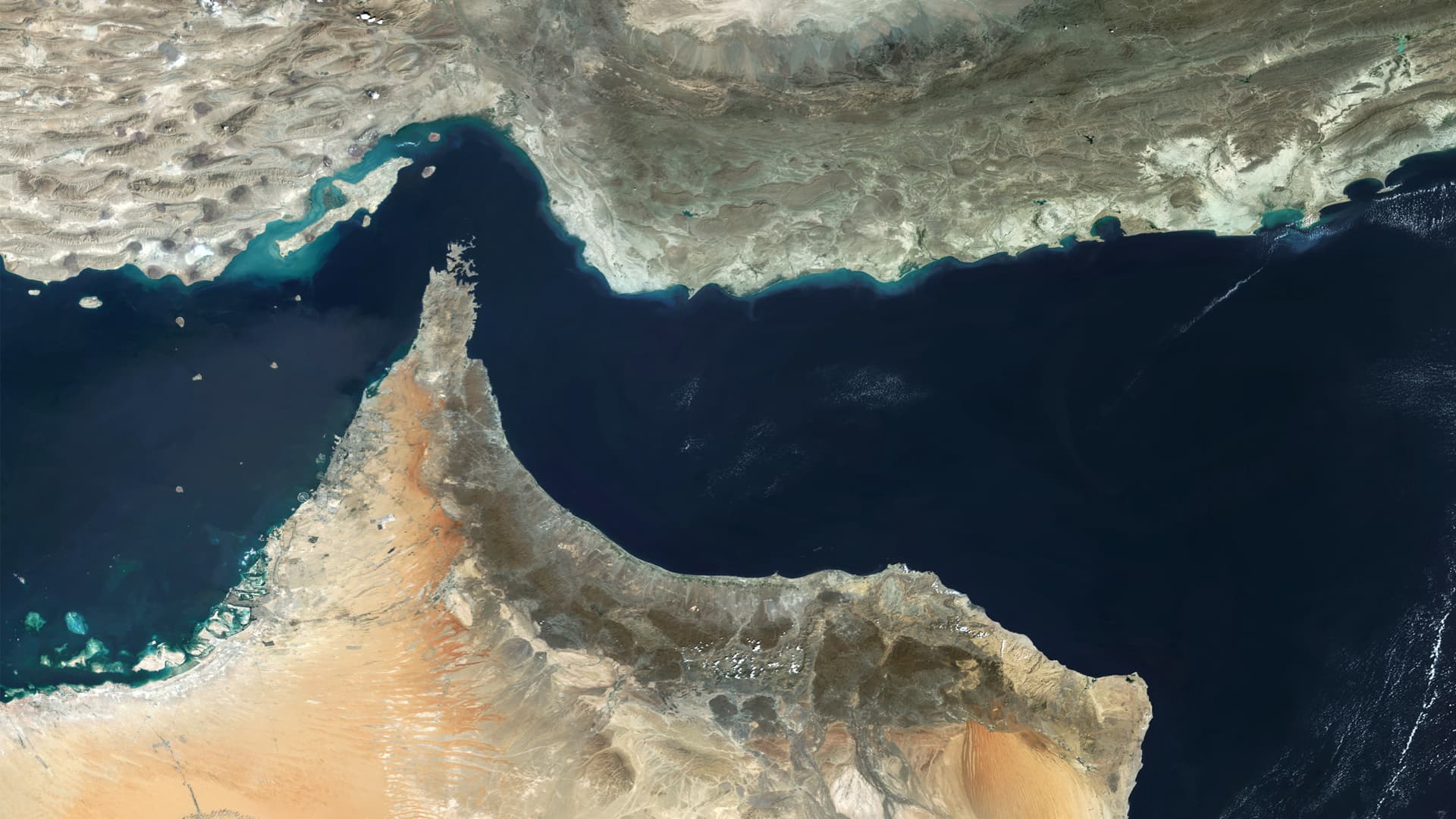
Satellite view of the Strait of Hormuz, a critical chokepoint for global energy supply, connecting the Persian Gulf to the Gulf of Oman.
Gallo Images | Getty Images
Oil prices rose on Sunday with U.S. crude topping $114 per barrel, after President Donald Trump gave Iran until Tuesday to open the Strait of Hormuz or face attacks on its power plants.
U.S. crude oil futures for May pared earlier gains to rise 0.5% at $112.08 per barrel at 9:28 p.m. ET. International benchmark Brent prices for June delivery also scaled back to 1.3%, trading at $110.47 per barrel.
Trump warned Sunday in an expletive-filled social media post that Iran would be “living in Hell” if they do not open the Strait. The president threatened to bomb the country’s power plants and bridges.
Trump subsequently posted “Tuesday, 8:00 P.M. Eastern Time!” without further explanation.
Iran has effectively kept the Strait closed through attacks on oil tankers. The sea route connects the Persian Gulf to world markets. About 20% of global supplies passed through the Strait before the war.
The closure of the Strait has triggered the largest oil supply disruption in history. Crude, jet fuel, diesel and gasoline prices have surged since the war started.
Trump said in a national address last Wednesday that the war would continue for two or three weeks.
Nearly 1 billion barrels will be lost by the end of the month, comprising up to 600 million barrels of crude oil and roughly 350 million barrels of refined products, according to TD Securities.
“With the conflict now expected to last at least into deep April, the barrel math becomes increasingly grim,” said Ryan McKay, senior commodity strategist at TD Securities, in a Thursday note to clients.
Rapidan Energy sees a total net loss of 630 million barrels of oil and products by the end of June, when accounting for redirected flows through pipelines, emergency stockpile releases and inventory drawdowns.
The eight members of OPEC+ on Sunday agreed to increase production by 206,000 barrels per day in May, though it is unclear how the oil will reach the global market with the Strait still closed.
Kuwait Petroleum Corporation said Sunday that several of its operational facilities were attacked by drones, resulting in significant damage.
OPEC+ warned that repairing energy infrastructure damaged by Iranian attacks “is both costly and takes a long time, thereby affecting overall supply availability.”
The eight members of OPEC+ are Saudi Arabia, Russia, Iraq, UAE, Kuwait, Kazakhstan, Algeria and Oman.
[ad_2]
Source link -
Trump posts expletive-filled Iran threats on Easter Sunday
[ad_1]
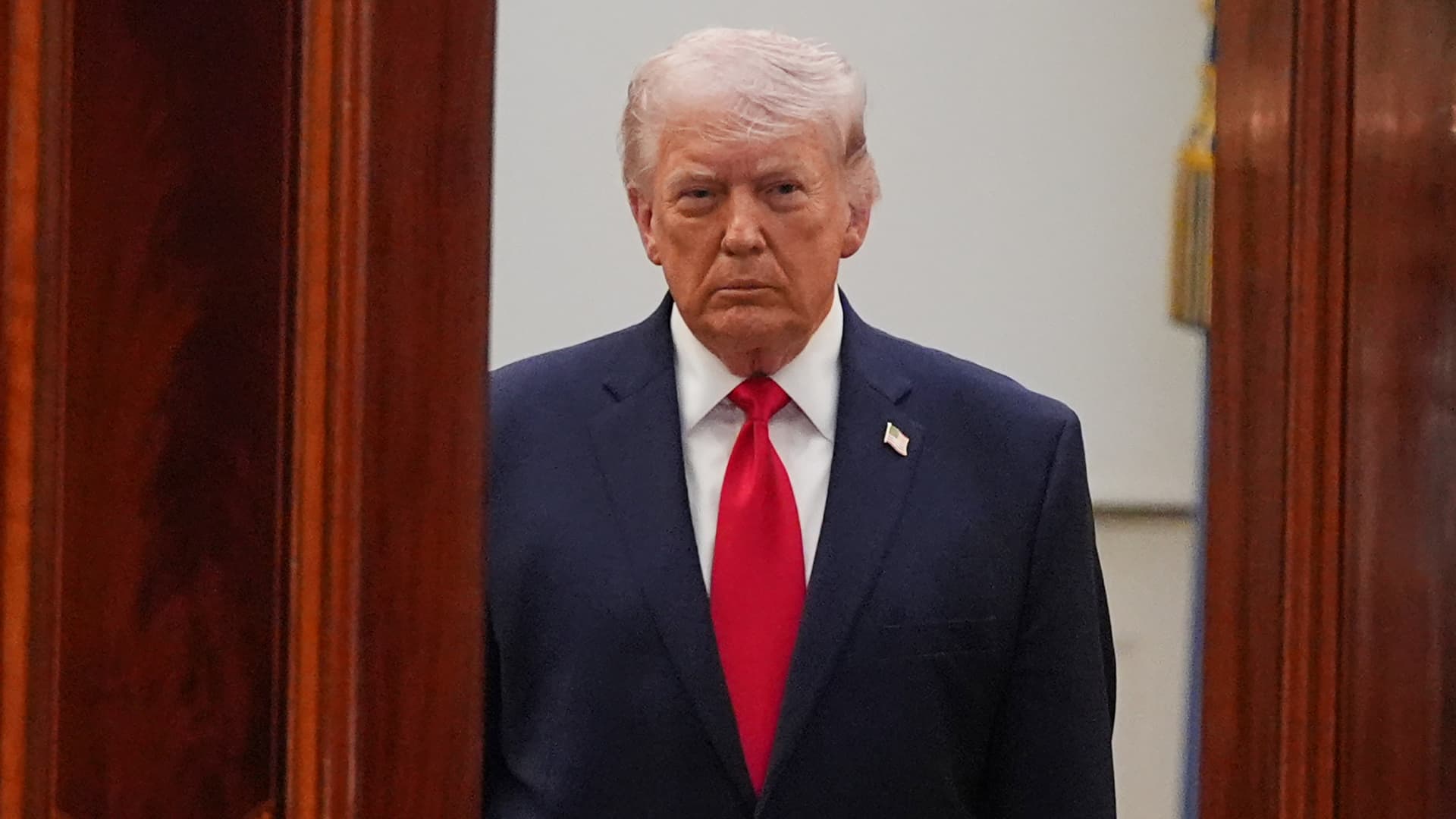
U.S. President Donald Trump arrives to speak in the Cross Hall of the White House on April 1, 2026 in Washington, DC.
Alex Brandon-Pool | Getty Images News
Hello, this is Dylan Butts writing to you from Singapore. Welcome to another edition of CNBC’s Daily Open.
We’re now entering the sixth week of the Iran war, and it appears that U.S. President Donald Trump is growing increasingly frustrated with the fallout of the conflict.
In an expletives-laden social media post on Sunday that drew a sharp backlash from opposition leaders and civil society groups, Trump vowed to strike Iran’s power plants and bridges if the Strait of Hormuz was not opened to all marine traffic by Tuesday.
What you need to know today
Trump’s aggressive social media post comes as his deadline for Iran to reopen the Strait of Hormuz was set to end Monday, after he extended it by 10 days last month.
The strait is a vital shipping route for the world’s oil and gas supplies, and its continued blockade has seen oil prices surge, with U.S. crude topping $114 per barrel on Sunday.
In a separate post later on Sunday, Trump had said “Tuesday, 8:00 P.M. Eastern Time!” with the White House clarifying to MS NOW that the date was the new the deadline for Iran to reach a deal with the U.S.
Iran, so far, has shown no signs of backing down and has continued to strike economic and infrastructure targets in neighboring Gulf Arab countries.
Tehran also downed an American F-15E Strike Eagle fighter jet over the weekend, with Trump saying on Sunday that the missing service member had been rescued.
Trump is scheduled to hold a news conference at the Oval Office on Monday at 1 p.m. ET.
With the conflict in the Middle East raging on during the Weekend, stock futures fell on Sunday, after posting gains last week on hopes of a de-escalation.
Markets will also monitor upcoming developments with the Federal Reserve. The Senate Banking Committee is set to hold a nomination hearing on April 16 for Trump-backed Kevin Warsh to be the next chair of the Federal Reserve, a person familiar with the matter told CNBC.
Warsh’s nomination is moving ahead even as a separate criminal probe into the Fed continues, setting up a potential clash between the two parallel processes set in motion by the Trump administration.
— Dylan Butts
And finally…
‘Silent killers’: How AI start-ups are trying to solve one of the retail industry’s biggest problems
It pinches here; drags there; the draping is wrong. These are some of the examples of the feedback a new crop of artificial intelligence apps might give a prospective customer trying on clothing ahead of a purchase, and in the process, reduce the chances of a product being returned to a store.
Fashion retailers are increasingly turning to AI to solve the issue of rising product returns, a persistent drag on profitability and something many in the industry refer to as the industry’s “silent killer.”
A growing number of AI start-ups have emerged to provide virtual try-on technology, allowing potential customers to visualize fit and style before they buy.
While tech companies have attempted to solve online fit issues since the 2010s, the rapid development of generative AI has finally made these applications good enough to meaningfully impact retailers’ bottom lines.
— Elsa Ohlen
[ad_2]
Source link -
Trump issues expletive-laden threat to Iran over Hormuz Strait blockage
[ad_1]
He said: “Tuesday will be Power Plant Day, and Bridge Day, all wrapped up in one, in Iran. There will be nothing like it!!! Open the Fuckin’ Strait, you crazy bastards, or you’ll be living in Hell – JUST WATCH! Praise be to Allah. President DONALD J. TRUMP”
[ad_2]
Source link -
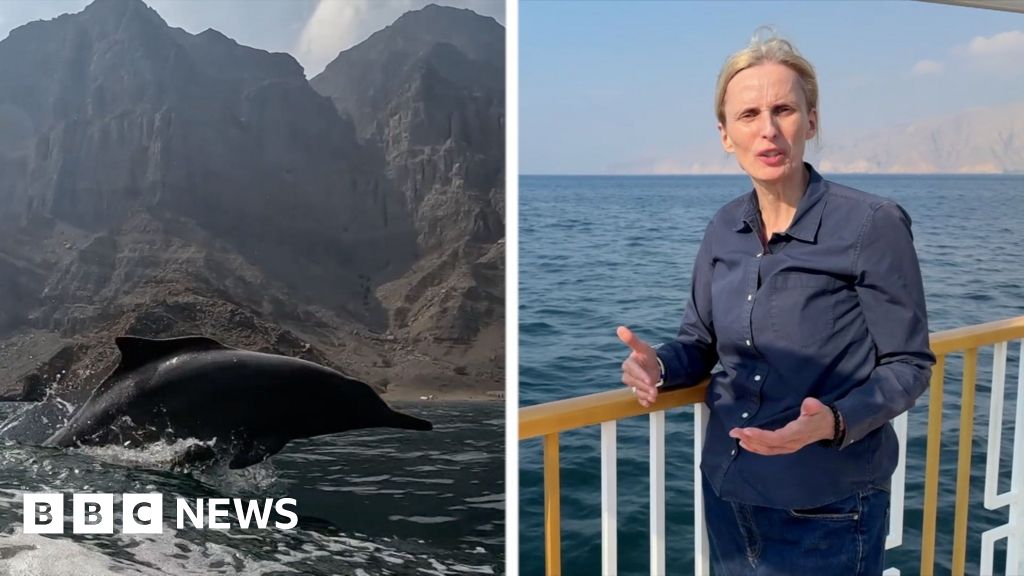
BBC reports near Strait of Hormuz
[ad_1]
The BBC’s senior international correspondent Orla Guerin has travelled to the edge of the Strait of Hormuz in Oman, which Iran has put a stranglehold on since the war broke out.
The critical artery is normally used for 20% of the world’s oil and liquefied natural gas.
By leaving ships stranded in the waterway, Iran is reducing the global supply of oil, driving up prices and creating fear among consumers as well as amplifying pressure in the international community.
Filmed by Lee Durant, edited by Jake Lapham
[ad_2]
Source link